Our Projects
A growing portfolio of automation solutions
Capability examples
The kinds of systems we build. Filter by category to see what a project in each area looks like — then talk to us about scoping yours.

Voice-controlled AI assistant
A custom local-first assistant that listens for voice commands, transcribes them, and triggers automations across line-of-business tools. Built with Python, on-device speech recognition, and an LLM running locally.
Behind this: 30 doing running AI on your own hardware, 17 doing speech and recorded audio and 10 doing assistants that follow your rules -- code this team has written.
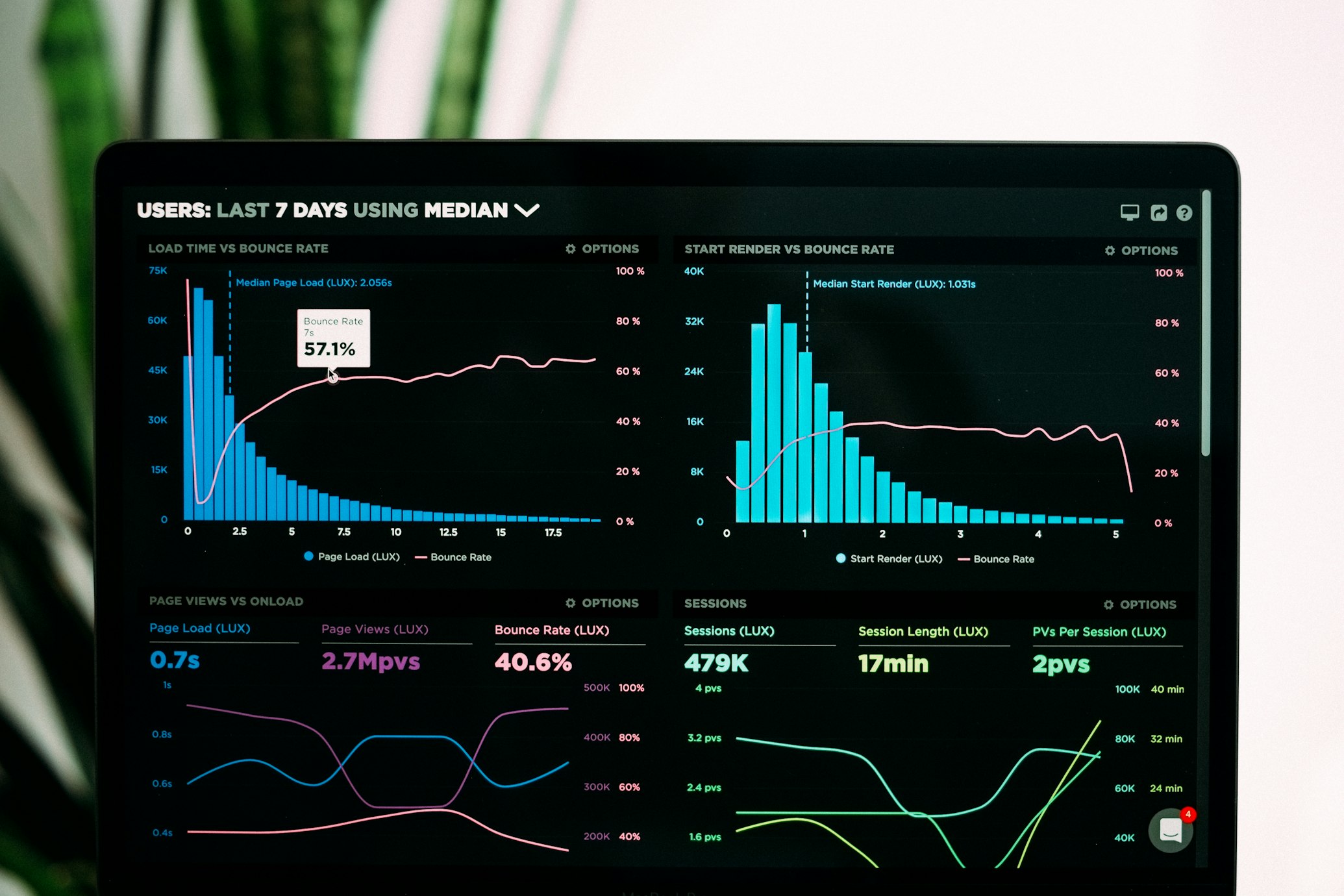
HR data visualization platform
An interactive dashboard that joins pay history, role progression, and headcount data into views people can actually plan with. Front-end visualization with role-based access and audit trails.
Behind this: 82 doing tools your staff actually open and 24 doing dashboards and reporting -- code this team has written.

End-to-end workflow automation
Connecting the systems your team already uses so a request enters once and flows through every required step — routing, approvals, notifications, audit. Human review checkpoints kept where they matter.
Behind this: 65 of our own codebases do systems integration -- code this team has written.

Hybrid cloud integration
On-premises systems and Azure services tied together with secure, monitored data flows. Designed so the cheap workloads stay local and the bursty / globally-distributed ones live in cloud.
Behind this: 65 doing systems integration and 30 doing running AI on your own hardware -- code this team has written.

Predictive maintenance models
Sensor and telemetry data flowing through trained models that surface failure patterns before they happen. Practical scope: deploy where you have data, prove value, then expand.
Behind this: 30 of our own codebases do predictive models -- code this team has written.

Automated financial reporting
A system that aggregates data from your accounting and operational systems and produces the recurring reports your team is currently building by hand. Variance flags, drill-throughs, and a clean audit trail.
Behind this: 24 doing dashboards and reporting and 18 doing documents into data -- code this team has written.
These are illustrative of the work we do, not specific past clients. Real engagement details are kept confidential by default — ask us during scoping for relevant references.
Everything we have actually built
Not a list of projects — a count of how many of our own codebases do each kind of work. 120 projects, 8,311,545 lines of engineering, all of it written by this team.
Databases and records
One place the records actually live, so two departments stop keeping different versions of the same list.
7 declare a dedicated library; the rest do it with what the language already provides
Spreadsheets and calculations
The workbook everything depends on, turned into something that runs on its own and cannot be broken by a stray paste.
35 of them declare a dedicated library for it
Web portals and internal sites
An internal site your staff or your customers use, rather than another shared drive.
47 of them declare a dedicated library for it
Reporting and dashboards
The report somebody rebuilds every Monday, produced while they are still asleep.
21 of them declare a dedicated library for it
Moving and transferring files
Files that arrive somewhere and have to end up somewhere else, renamed, checked and logged, without anybody dragging them.
2 declare a dedicated library; the rest do it with what the language already provides
Backup and recovery
Copies that are actually made, actually complete, and have actually been restored from at least once.
counted from what the code says it does -- this kind of work needs no special library, so no manifest can prove it
Reading documents and forms
Invoices, forms, statements and reports read into fields you can search, instead of retyped.
12 of them declare a dedicated library for it
Email and notifications
The chase-up nobody has time to send, sent -- and the alert when something needs a person.
counted from what the code says it does -- this kind of work needs no special library, so no manifest can prove it
Scheduling and unattended runs
Work that happens on time whether or not anyone remembers, and says so when it does not.
3 declare a dedicated library; the rest do it with what the language already provides
How this is counted: a codebase is counted for a capability when it declares a library for that work, or when the code itself says that is what it does. Both numbers are shown because they are different kinds of evidence — and some of this work needs no library at all.